 Panacea Bio Chem — Clinical Monograph
Metabolic Peptide Science · Rev. Jul 2026
Panacea Bio Chem — Clinical Monograph
Metabolic Peptide Science · Rev. Jul 2026
Panacea Bio Chem — Clinical Monograph
Metabolic Peptide Science · Rev. Jul 2026
Panacea Bio Chem — Clinical Monograph
Metabolic Peptide Science · Rev. Jul 2026
All of these peptides were synthesized, tested in vivo and in vitro, and are undergoing clinical trials as we speak — although many further details remain secret.
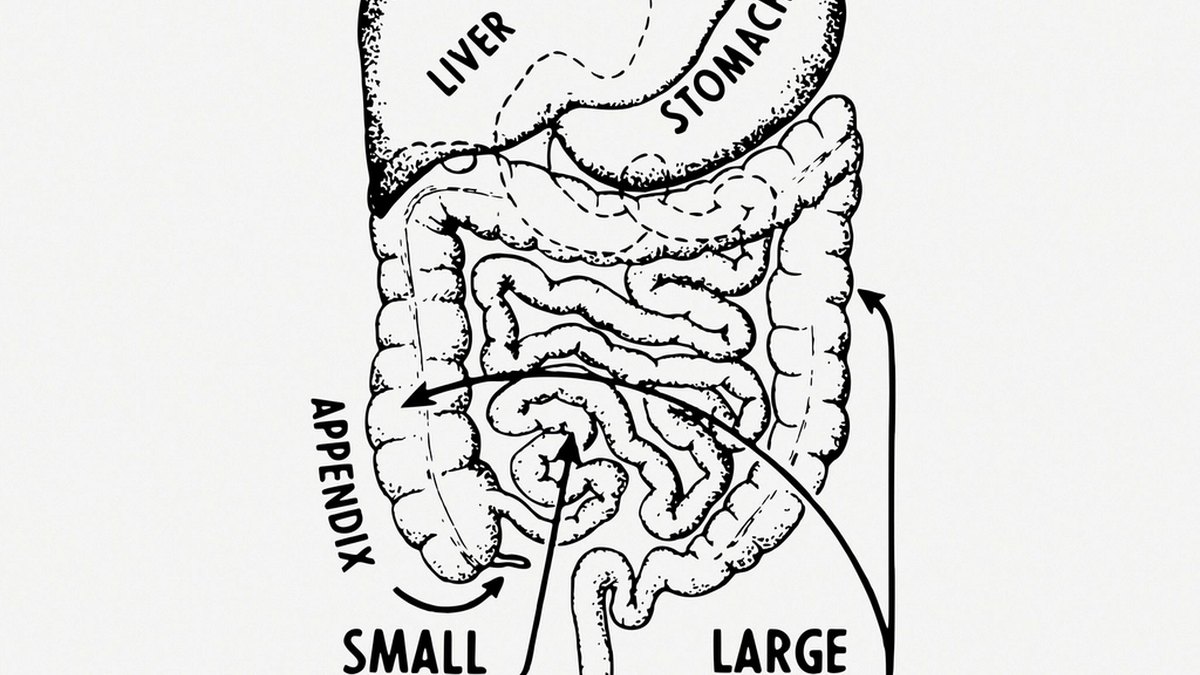
Metabolic peptides help fatty liver by easing the metabolic load the liver carries. Incretin peptides — GLP-1, GIP and glucagon receptor agonists — lower body weight, sharpen insulin sensitivity, and (through glucagon signalling) lift the liver's own fat-burning. Across published studies this shows up as less liver fat and, for several agents, improvement in steatohepatitis and fibrosis markers in MASH / MASLD. Panacea Bio Chem researches this sphere as its Quintatrutide direction. Nothing here is medical advice.
The liver is the body's metabolic hub: it stores and releases energy, packages fats, and keeps blood sugar even. When more energy arrives than the body spends, the liver begins to hold some of it as fat. A liver holding a meaningful amount of fat, in the setting of metabolic factors like body weight, blood sugar or lipids, is now called MASLD — metabolic dysfunction-associated steatotic liver disease1. When that fat is joined by inflammation and cell stress, the stage is called MASH — metabolic dysfunction-associated steatohepatitis. These 2023 names replaced the older NAFLD and NASH2, chosen to describe the condition by its metabolic roots rather than by what it is not.
The encouraging part is that this is one of the most responsive systems in the body. The liver regenerates and remodels; when the metabolic inputs improve, the fat it stores can come back down. That is exactly the opening metabolic peptides aim at.
MASLD is now among the most common liver conditions worldwide, tracking the same metabolic factors as type-2 diabetes and body-weight gain. For a long time there was no medicine built specifically for it — lifestyle change was the whole toolkit. That gap is the opportunity: a therapy that improves the metabolic setting could help the liver at the same time it helps weight and glucose. The arrival of incretin peptides, first designed for diabetes and body weight, turned out to speak directly to the liver too — which is why hepatology and metabolic science have converged on this class.
Fix the metabolic weather, and the liver clears. Incretin peptides are the first tools that change the weather.
Incretins are gut hormones the body releases after eating. Peptide drugs that mimic them engage one, two or three receptors:
Combine them and the effects stack: less fat arriving, better insulin handling, and the liver burning more of what it holds. This is the logic behind the move from single agonists to multi-agonist peptides — an arc explored in depth at Decarutide, the incretin multi-agonist frontier →.
| Peptide class | Receptors | Reported hepatic signal in MASH/MASLD studies |
|---|---|---|
| Semaglutide | GLP-1 | Liver-fat reduction; improvement in steatohepatitis in trial populations3 |
| Tirzepatide | GIP + GLP-1 | Reduction in liver fat and steatohepatitis measures4 |
| Survodutide | Glucagon + GLP-1 | Improvement in MASH with added hepatic fat-oxidation drive5 |
| Retatrutide | GLP-1 + GIP + glucagon | Marked liver-fat reduction in MASLD sub-studies6 |
Figures and endpoints vary by study and population; this table summarises the direction reported in the peer-reviewed literature, not a head-to-head claim.
Panacea Bio Chem researches the sphere of metabolic incretin peptides for hepatic metabolism — the design space where GLP-1, GIP and glucagon signals are tuned toward the liver. Its work here is ongoing and directional: the interest is in how peptide architecture, stability and formulation shape what a metabolic peptide can do for liver fat, and how a multi-receptor design is held together as a stable, highest-purity molecule. Panacea treats the liver as a primary focus of this metabolic-peptide programme, which it designates Quintatrutide.
Where a metabolic peptide has to survive as a dosed, shelf-stable molecule, Panacea's formulation science carries over: the gentle, surfactant-free drying of Cryolapse, freeze-drying the way nature would → and the reconstitute-at-a-tap cartridge behind it keep a fragile multi-agonist intact from vial to dose. The precise peptide design, parameters and hepatic-targeting rationale that make the Quintatrutide direction distinct remain proprietary to Panacea Bio Chem, held by Bogdan Dicoias — the outline is here; the recipe stays behind the door.
These are research directions and design inspirations, not products or health claims.
What are MASLD and MASH?
MASLD (metabolic dysfunction-associated
steatotic liver disease) is fat build-up in the liver linked to metabolic factors;
MASH adds inflammation and liver-cell stress. The 2023 names replaced NAFLD and
NASH.
How do incretin peptides improve fatty liver?
They lighten the liver's
metabolic load — lowering body weight, improving insulin sensitivity, and (via
glucagon signalling) raising the liver's own fat oxidation — which shows up as less
liver fat and, for several agents, improvement in steatohepatitis and fibrosis
markers.
Which incretin drugs have been studied in MASH/MASLD?
Semaglutide
(GLP-1), tirzepatide (GIP/GLP-1), survodutide (glucagon/GLP-1) and retatrutide
(GLP-1/GIP/glucagon) have all been studied, with published reductions in liver
fat and, for several, improvement in steatohepatitis.
What is Quintatrutide?
Quintatrutide is Panacea Bio Chem's designation
for its exploratory metabolic-peptide work aimed at hepatic metabolism. The
specific peptide architecture and parameters are proprietary and not disclosed.
Recent developments in the field — refreshed 2026-09-19 by Panacea Bio Chem.
The Panacea Technology Universe
Proprietary Panacea Bio Chem Ltd technologies, invented by Bogdan Dicoias — what each one does, and why it leads its class.
 Lyoprester®The only dual-chamber cartridge that is autoreconstitution-enabled, vacuum-sealed and argon-fillback.lyoprester.com ↗
 P-EARLs™Panacea-Engineered Aseptic Reconstitution Liquid(s) — each tuned to the peptide it wakes.p-earls.com ↗
 Peptourbillon™The layered peptide formulation architecture — single- or multi-layer, never a blend.peptourbillon.com ↗
 RF Tunnel™The RF-formed central channel through the cake.rftunnel.com ↗
 TgShift™Raises the cake’s glass-transition temperature with RF — instead of chilling below it.tgshift.com ↗
 Cryolapse™Cryogenic pressure collapse under S3Pulse™ control — vapour redistributed through the whole cake, not its surface, impeding crust formation.cryolapse.com ↗
 LyoLevit™The cake levitates and spins in high orbit — driven by ultrasound and RF.lyolevit.com ↗
 Lyochrysalis™The integrated chamber housing the whole drying stack.lyochrysalis.com ↗
 S3Pulse™The control brain for every piece of Panacea hardware.s3pulse.com ↗
 Liquiprester™The single-liquid cartridge engineered so multiple peptide APIs coexist in one shared vehicle.liquiprester.com ↗
 Syntheseract™Continuous-flow peptide synthesis in a special, very fast and economical way.syntheseract.com ↗
 CFSPPS™Continuous-flow solid-phase peptide synthesis, written as its own category.cfspps.com ↗
 OxyDeplete™Degassing plus no-headspace doctrine — the oxygen-starved seal.oxydeplete.com ↗
 ArgonLock™The final inert-atmosphere lock under argon.argonlock.com ↗
 RedoxVault™Separation, not merely suppression — redox isolation in lipid micro-reservoirs.redoxvault.com ↗
 PleniDose™The shared filling gantry — one machine filling both the dual-chamber Lyoprester and the liquid Liquiprester.plenidose.com ↗
 IncreSure™The dose-metrology layer — verified API per pen increment.incresure.com ↗
 ElimiVoid™Front-void elimination without touching the metered dose.elimivoid.com ↗
 Cryoviscous™The characterised cold, high-viscosity, low-mobility conditioning state.cryoviscous.com ↗
 Vana Machine™Vacuum Assisted Needle Accessory — vacuum conditioning and plunger-locking for the cartridge.
 EZnject™The disposable auto-injector pen built around the Lyoprester.panaceaeznject.com ↗
 Dicoias ΨThe computed-chemistry advisory — every substance reduced to a vector across physical, electronic and formulation space.dcppsi.com ↗
 SealoPrester™Aseptic Cartridge Closure System — Seal o’ Precision + Sterility.sealoprester.com ↗
 Peptidic LiquidThe peptide formulation in solution — the active plus its buffers, cryoprotectants, lyoprotectants and scaffolders.peptidicliquid.com ↗
 DiastolVAC™Biomimetic diastolic vacuum control — the pneumatic circulatory system of the machine: pumps, valves and sensors as one ensemble.diastolvac.com ↗
 KineticON™Motion Integrity Architecture — the motion-control layer that lets the machine know what happened on every axis move.kineticon.org ↗
Publications indexed in PubMed in the last 30 days for "metabolic peptides fatty liver" OR "MASH" — refreshed weekly.